Home > Stories > Truii news > Three cattle properties and a lot of dirt road—is there a real incentive for environmental reporting?

Three cattle properties and a lot of dirt road—is there a real incentive for environmental reporting?

Summary

In February, Truii’s natural capital team went on a road trip through Queensland’s Western Downs and North Burnett to visit three grazing enterprises doing remarkable things for their land. The graziers who care most about their land are getting the same gate price as the producer down the road running twice the number of cattle and overgrazing their country AND most environmental incentive schemes reward improvement from a degraded baseline. This locks out the multigenerational stewards who never let their land degrade in the first place. Until there’s a real market signal—consumers demanding and paying for verified land stewardship—the economics will keep pulling in the wrong direction.

5 min read

Author: David Waters

Hitting the road

In February, the Truii natural capital team went on a road trip through Queensland’s Western Downs and North Burnett to visit three grazing enterprises operating at very different scales, from a single family holding to a large multi-property pastoral company. The goal was simple, get out of the office and find out whether graziers face any real requirements or incentives to report on their environmental performance, and if so, whether those incentives are actually working.

What we found was more interesting (and more confronting) than we expected.

Who we visited

The three enterprises couldn’t have been more different in scale and complexity.

The smallest was a family-run operation of a few thousand acres, where the owner-operator has hands-on involvement across every aspect of the business. At the other end of the spectrum, a large pastoral company running cattle across multiple properties, managing staff, family and community commitments and keeping up with the paperwork of a major cattle enterprise. In between, a mid-scale family operation juggling multiple properties, employees and a young family—the kind of enterprise where every hour spent on administration is an hour taken from somewhere else.
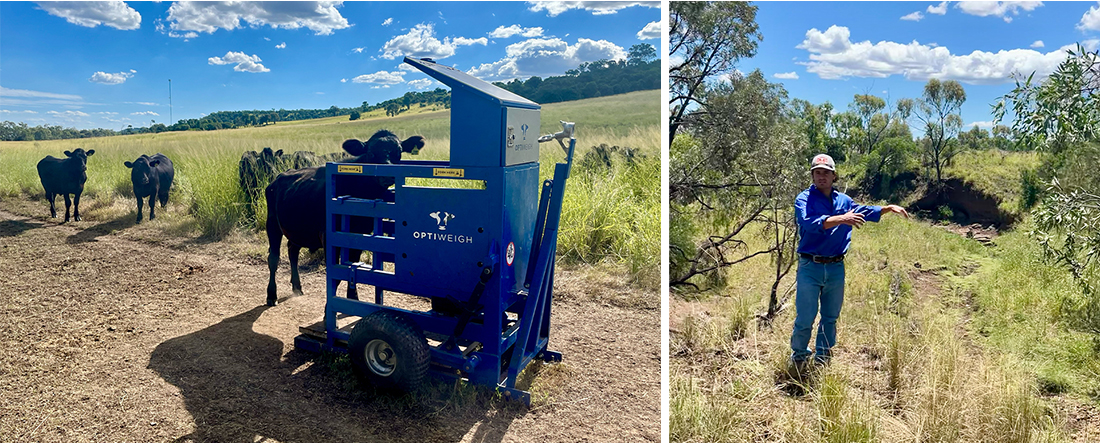
What united all three was a genuine and active commitment to good land stewardship. Rotational grazing, pasture monitoring, erosion control, revegetation projects and investment in new technologies were part of everyday farming. This included drones, automated cattle weighing systems and remote water monitoring were common threads across operations of very different scales. These are not passive enterprises. They measure, they adapt and they invest.

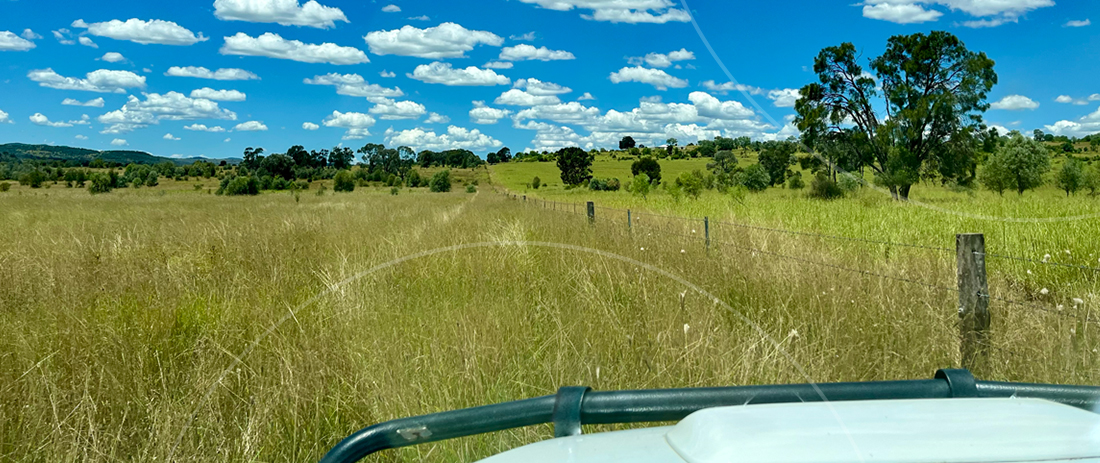
Cattle waiting to be moved to the next paddock.

What they’re already doing

The level of on-ground environmental monitoring happening voluntarily across these properties was striking. One operator has been systematically collecting baseline data and tracking change over time, not because they’re required to, but because it informs better decisions. Another is actively exploring how to demonstrate and gain recognition for their land stewardship credentials to give their business a competitive edge. A third is already anticipating Scope 3 reporting requirements flowing down from their buyers—which may in time drive greater accountability. The consistent message on technology was clear: tools need to integrate with existing farm systems and workflows. Any product that creates duplication of effort will be abandoned, regardless of how good its intentions are

Steer hopping on the automatic weighing system + Farmer showing us planned streambank erosion works.

Steer hopping on the automatic weighing system and farmer showing us planned streambank erosion works.

The uncomfortable finding

We went in expecting to find progressive operators navigating a patchwork of reporting requirements and incentives. What we actually found was something more fundamental.
Despite everything these enterprises are doing—the investment, the monitoring, the multigenerational commitment to keeping country in good condition—they receive exactly the same gate price as producers who are doing none of it. The market does not differentiate. The industry doesn’t encourage it. It’s all about kilograms of beef.

Then there’s the baseline problem. Most environmental incentive schemes (carbon credits, biodiversity certificates, water quality programs) are structured around improvement from a baseline. In practice, that means the financial opportunity flows to producers who have been running their land hard and are now pulling back, starting from a low baseline. The stewards who kept their country in good condition through multiple generations, have no degradation to recover from. They’re locked out.

Voluntary adoption of good practices only goes so far. Corporate agriculture lives and dies on return on investment. Without a genuine financial reason to be a good land steward, the economics will always pull in the other direction.

The long road home

We drove back east with a ute full of produce (generously pressed on us) and a clearer view of what actually needs to change.

Better tools for environmental reporting matter. However, tools alone won’t shift the industry. What’s needed is a market signal—consumers demanding and paying for verifiable land stewardship credentials from primary producers. Until that exists, the current system will continue to penalise exactly the people it should be rewarding.

We’re more motivated than ever to build tools that meet graziers where they are. From integrating with what they already do and reducing duplication to making it easier to capture and demonstrate the value of good stewardship when the market is finally ready to recognise it.

A huge thank you to the grazing families who gave up their time to speak with us so openly.

Read similar stories